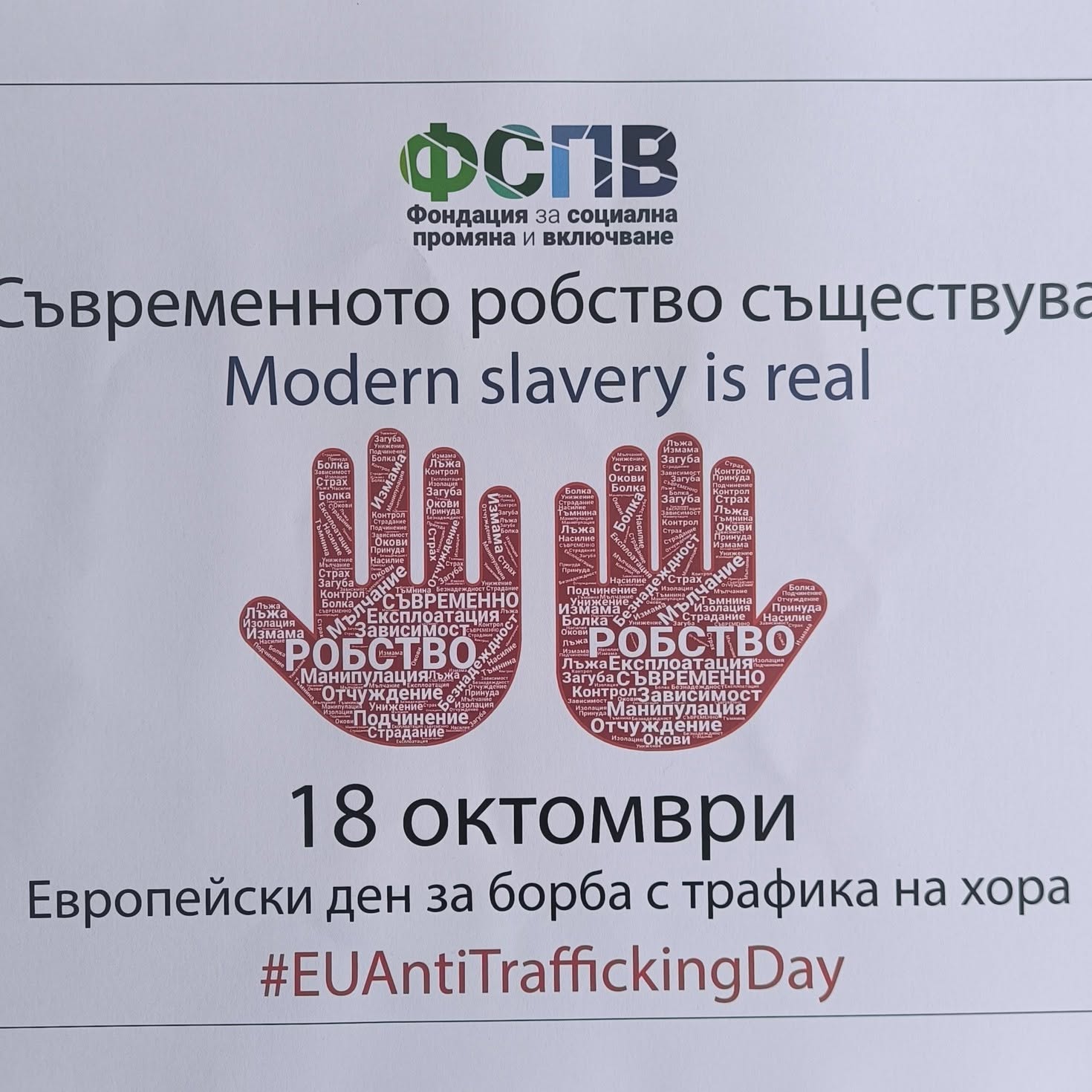
Human Trafficking: Modern Slavery That Still Exists Today
Fear, pain, deception, coercion, control, isolation, dependency, manipulation and violence. These are just some of the words that describe the reality of people trapped in human trafficking. It is a crime that often remains hidden from those around its victims, yet it robs them of their freedom and dignity, and sometimes even their lives.
Modern slavery is not merely a thing of the past or the subject of a film. It exists today, including in our own communities. People are drawn into situations of exploitation through deception, threats, coercion, abuse of trust or the exploitation of their vulnerability. Sometimes, the initial offer appears to be an opportunity for a better life, a job, an income or greater security. Gradually, however, promises become a means of control, and the possibility of making free choices disappears.
People without stable family and social support can be particularly vulnerable, especially if they have experienced abandonment, violence or prolonged insecurity. When someone is searching for acceptance, a sense of belonging and the chance of a better future, promises made by people with harmful intentions can seem convincing. This is why recognising the risks and developing the confidence and skills to seek help are so important.
The House of Opportunity team encounters the consequences of such experiences every day, as well as the difficulties that young people carry with them. Sometimes, behind behaviour that may seem difficult to understand or challenging, there is fear, mistrust, trauma and painful experiences that are hard to talk about. Not every story can be put into words. Not every sign of distress is easy to recognise.
Working with young people who have experienced difficult and traumatic circumstances requires patience, sensitivity and the ability to recognise warning signs. It is essential to create an environment in which a young person feels safe, can be heard and can ask for support without fear of being judged. Trust is particularly important because, sometimes, it is the first step towards breaking free from dependence on a person or situation that puts them at risk.
Preventing human trafficking cannot be the responsibility of a single organisation or institution. It requires cooperation between social workers, psychologists, education professionals, public institutions, non-governmental organisations and everyone who has a role to play in the lives and safety of vulnerable people. Timely action and the sharing of information between professionals can help identify risks and take appropriate steps before exploitation begins or becomes more severe.
On 18 October 2026, we mark the European Day Against Human Trafficking. This day gives us an opportunity to draw attention once again to a crime that cannot be confined to a single date in the calendar. For people living in situations of exploitation, the horror does not last just one day a year. It is part of their everyday lives.
That is why it is important to remain attentive to the people around us. We must not ignore signs of violence, coercion, isolation or unexplained dependency. We should not assume that someone who remains silent or does not ask for help necessarily has no need of it. Sometimes, fear, threats and manipulation are precisely what prevent victims from seeking support for themselves.
Human trafficking is a crime that takes away freedom and human dignity. We can stand against it through awareness, professional commitment, cooperation and human solidarity.
Let us keep our eyes and hearts open. Let us not turn away from someone who may need help. Sometimes, timely support can change an entire life.